




Sufi Philosophy of Love Behind Anka Rising Collection
Love as the Origin and Destination
The Sufi philosophy at the heart of everything.
There is a question that runs beneath all philosophy, beneath all mythology, beneath every story ever told about transformation, seeking, and return. Not what are we searching for, or how do we find it, but what is the force that sets the search in motion at all?
In Sufi thought, the answer has always been the same. It is love. Not love as sentiment or romance, but love as the fundamental structure of existence — the source of all things, the force from which all things emerge, and to which all things, given enough time and enough courage, return.
Before the Journey, the Longing
In the Sufi poetic tradition — from Attar to Rumi — love is described as the nature of reality itself. Not romantic love, but divine love: the substance from which existence is woven. Everything that exists exists because of it. Everything that moves, moves toward it.
This is not a comfortable idea. It does not allow for neutrality. If love is the origin of all things, then every act of seeking — every valley crossed, every self surrendered — is not a departure from love but an expression of it. The longing and the destination are made of the same substance.
Rumi himself wrote:
"Not a single lover would seek union if the beloved were not seeking it."
The search does not begin with the seeker. It begins with the source. We are called before we know we are listening.

Love as a Force That Unmakes You
In Sufi philosophy, love is not described as something that completes you. It is described as something that undoes you. Sufi poets elevated divine love over intellectual knowledge — love as a force that shatters rational categories, that opens the mystic to truths reason alone can never reach. To be mad with love was not a failure of the mind but a mark of spiritual progress.
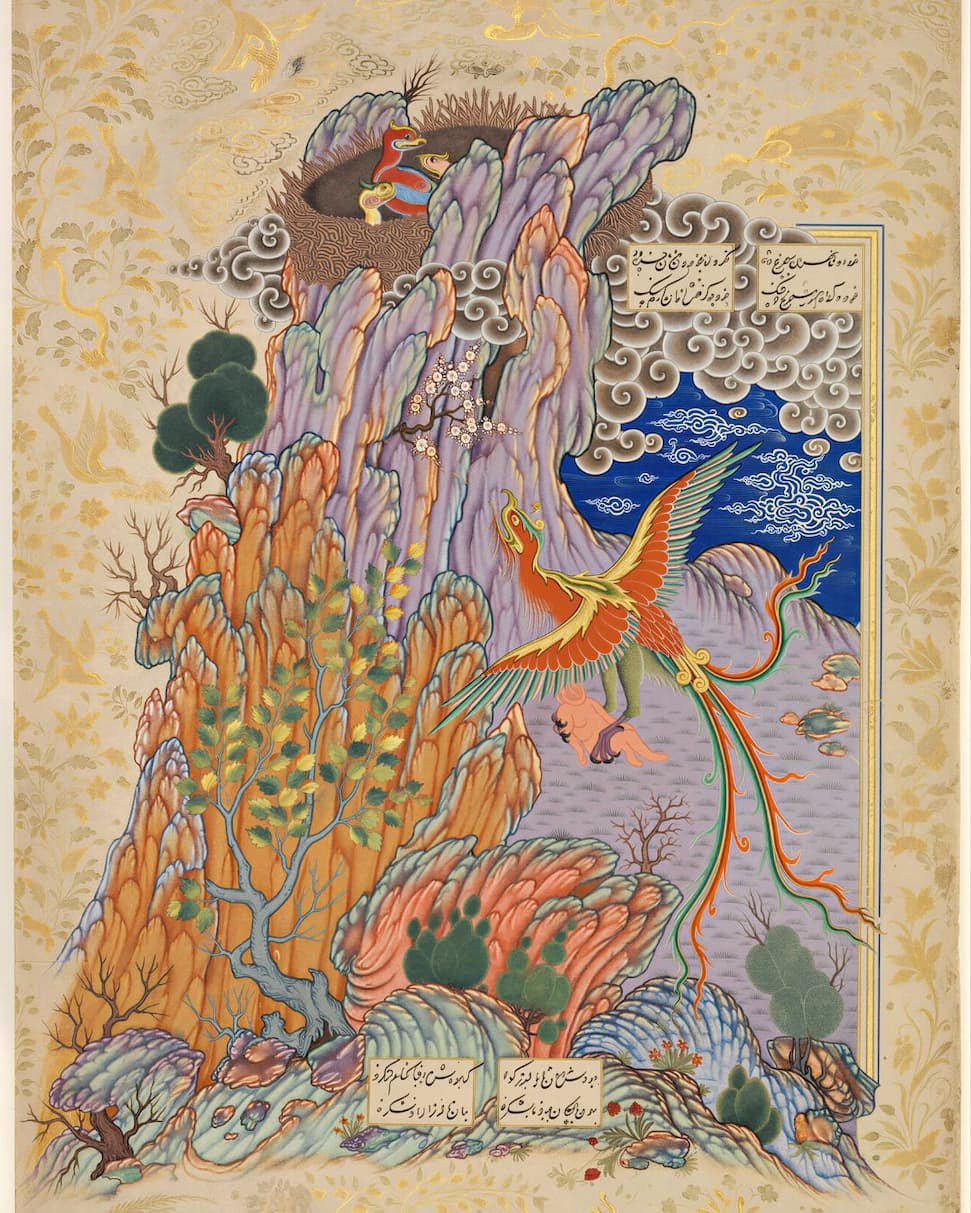
This is why the birds in Attar's Conference of the Birds cannot simply be told where the Simurgh is and go there. The information is insufficient. The journey is required not because the destination is far, but because the self that sets out cannot receive what waits at the end. It must be changed by the crossing. Love is the agent of that change — the force that loosens the ego's grip, valley by valley, until what remains is spacious enough to hold the truth.
The Hidden Treasure
There is a saying in Sufi tradition, drawn from a divine utterance known as the Hadith Qudsi, that illuminates everything:
"I was a hidden treasure, and I loved to be known. So I created the world that I might be known." — Rumi
Creation, in this view, is itself an act of love — not a mechanical process but an outpouring, a movement from concealment toward revelation. Rumi used the metaphor of the ocean and the wave to express this: the multiplicity of creation is simply the single substance of the divine, expressed in infinite forms. Each wave believes itself to be separate.
Each wave is, for a time, its own shape, its own momentum, its own brief life. And yet the ocean is never absent from it.
This is the paradox at the heart of Sufi love: the distance between the lover and the beloved is the very condition that makes love possible, and yet the distance is ultimately illusory. We long for what we have never, in truth, been separated from. The journey home is a journey into remembering.

What the Birds Already Knew
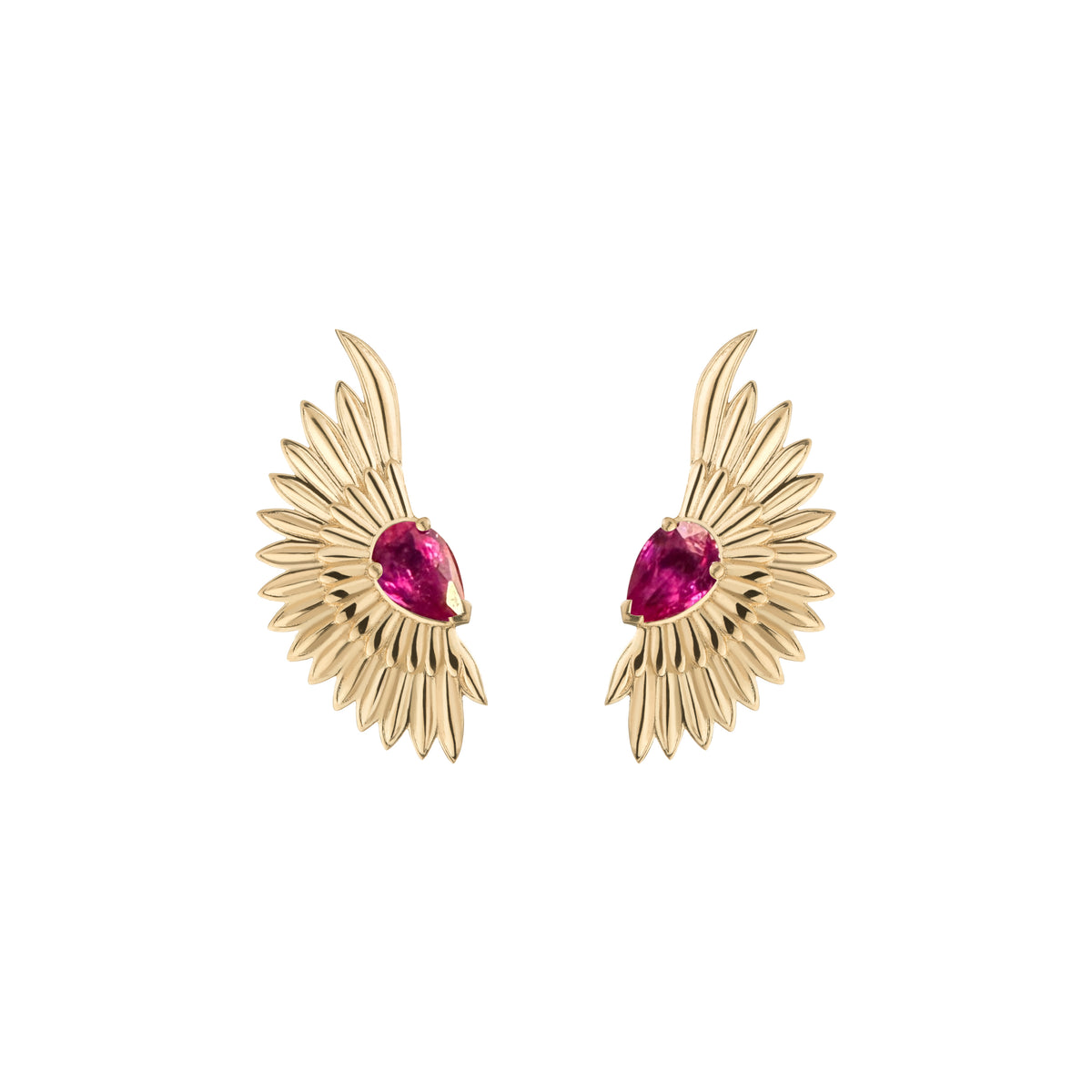
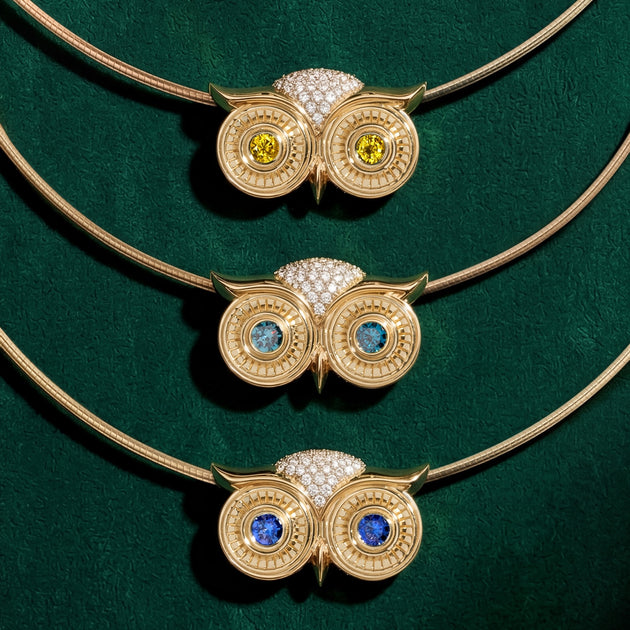
Each of the three great mythological birds at the heart of Anka Rising — the Simurgh, the Anqa, the Phoenix — represents a different face of the same truth.
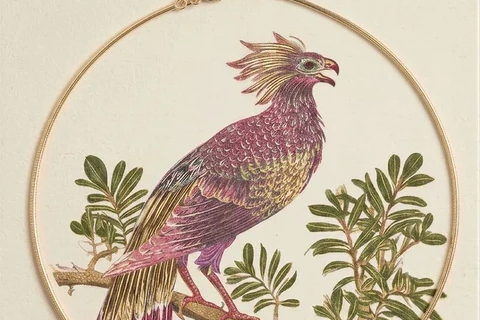
The Simurgh is its most direct expression. The thirty birds cross seven valleys not to find something foreign but to recognise something intimate. When they arrive and look into the mirror that is the Simurgh, they see themselves — luminous, finally unobstructed. The love they were pursuing was always the love they already carried.
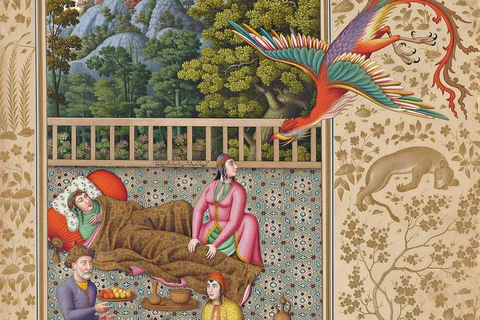
The Anqa holds the quieter face of love. Rabia al-Adawiyya, the great Sufi mystic, described loving God with no condition and no return — not from fear of hell nor desire for paradise. The Anqa is that kind of love. It asks nothing of you except the willingness to keep moving toward the horizon, even when the horizon keeps receding.
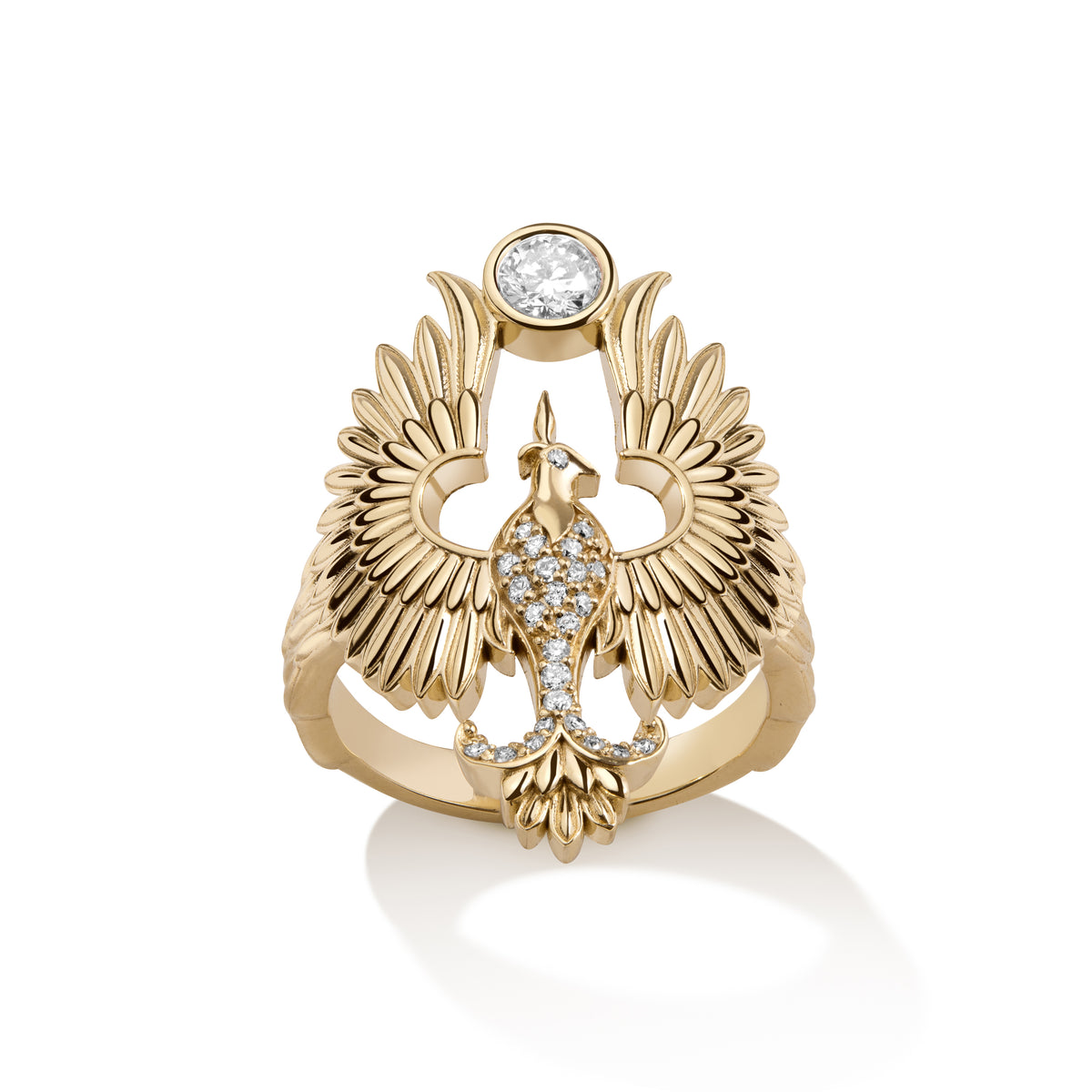
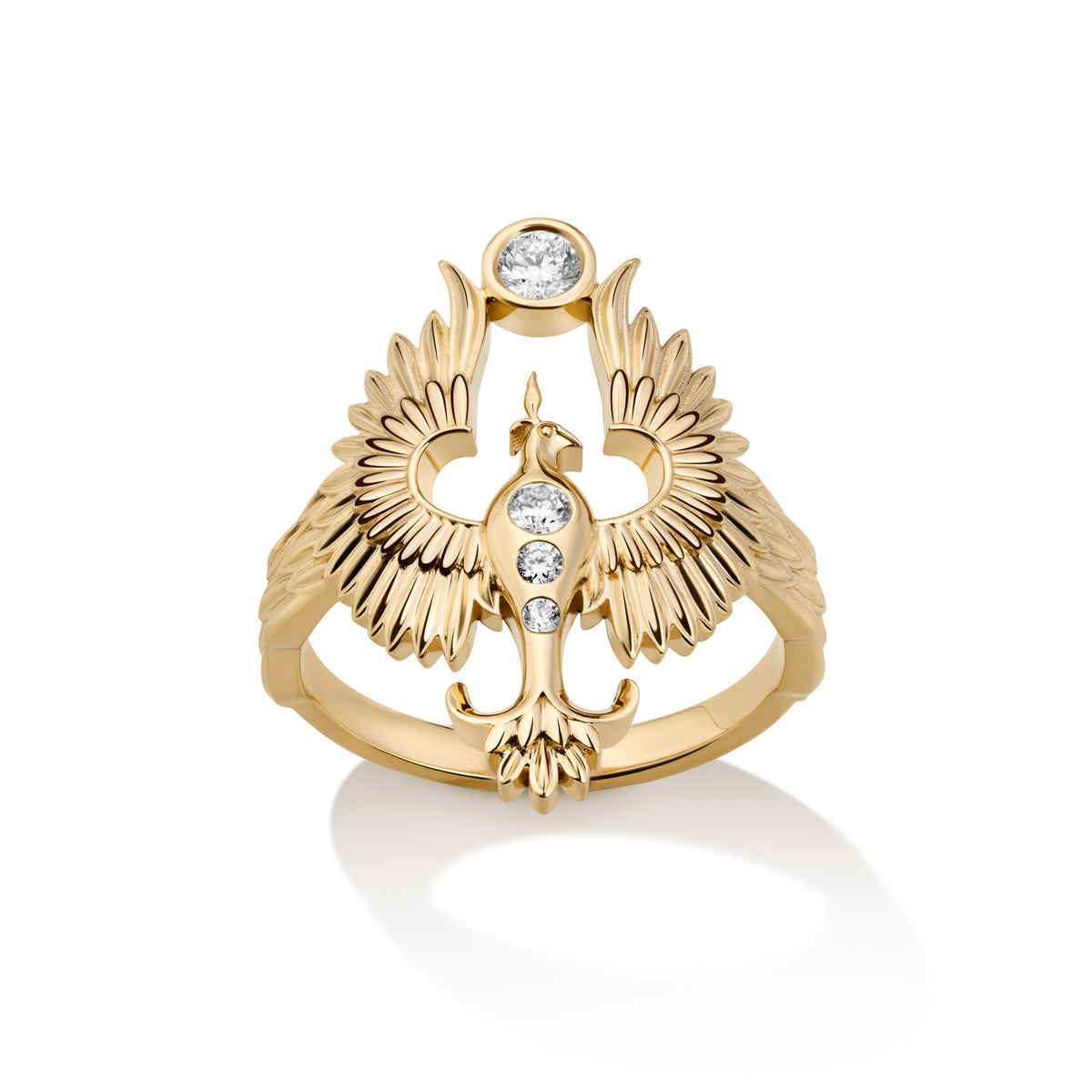
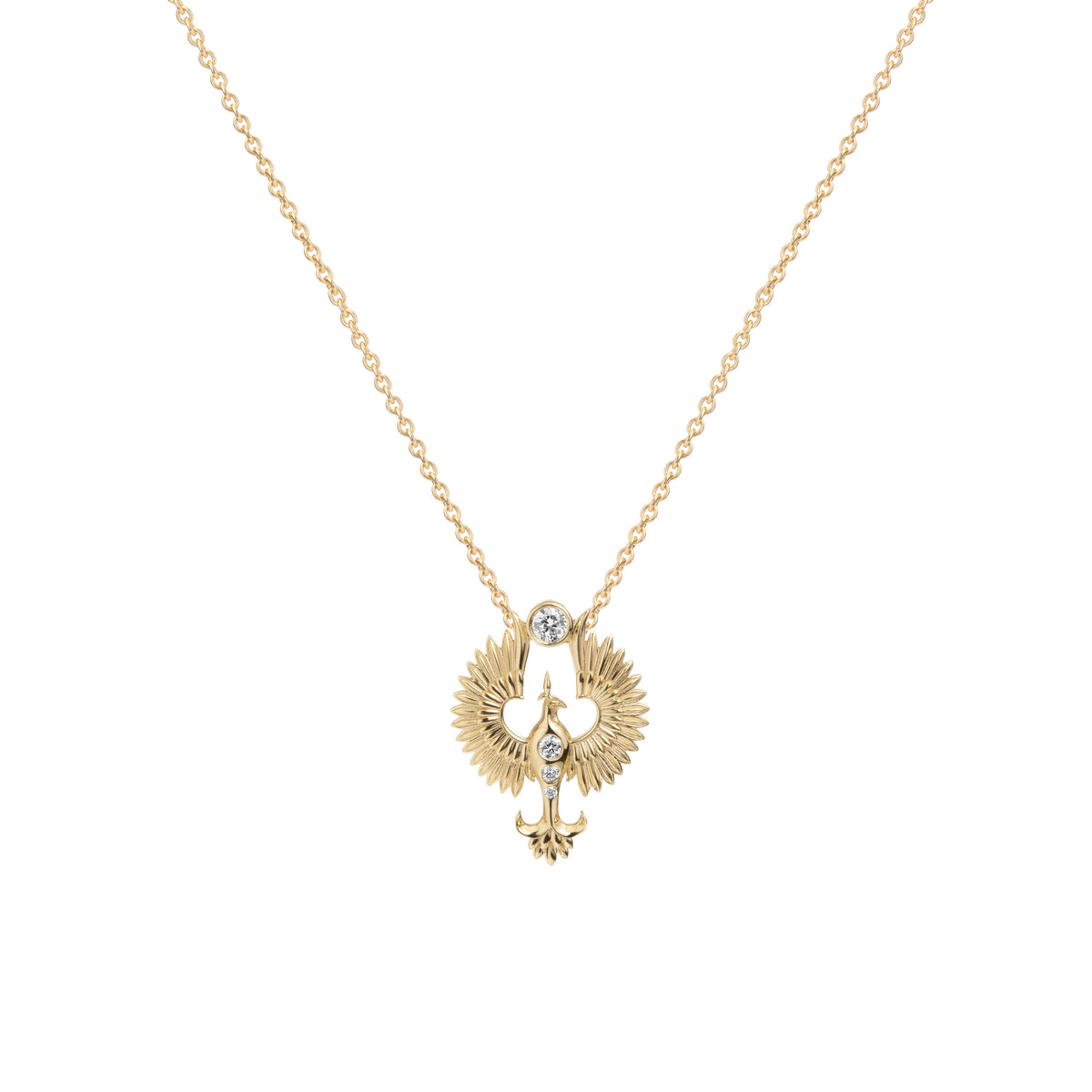
The Phoenix holds love's most demanding face — the love that requires annihilation. In Sufi thought, fana, the annihilation of the self, is not destruction but the ultimate act of love: the complete dissolution of the ego in order to achieve union with the divine. The Phoenix willingly initiates its own annihilation. Because love, at its most complete, is the willingness to release everything that is not true, to let the fire take what was never really yours, and to rise from what remains.
The Return
Every great spiritual tradition that has grappled with love eventually arrives at the same conclusion: that love is not a feeling but a direction. An orientation toward something larger than yourself — and through that movement, a recognition that what felt like other was never separate at all.
"You are not a drop in the ocean. You are the entire ocean in a drop." — Rumi
The Simurgh, the Anqa, and the Phoenix are three different ways of saying this. The seeker and the sought are one. The threshold is also the home. The fire is also the light. And the love that sent the thirty birds across seven valleys, that pulls the Phoenix into its own flames, and keeps the Anqa hovering at the place where the known world ends, is not something we find at the destination. It is what the journey is actually made of.
A Note on Anka Rising
This collection was made from that understanding. Not from the mythology alone — though the mythology is vast and beautiful — but from the philosophy that runs through it. The idea that transformation is not something that happens to us, but something love calls us into. That the self that emerges from the crossing is not a new self, but a truer one.
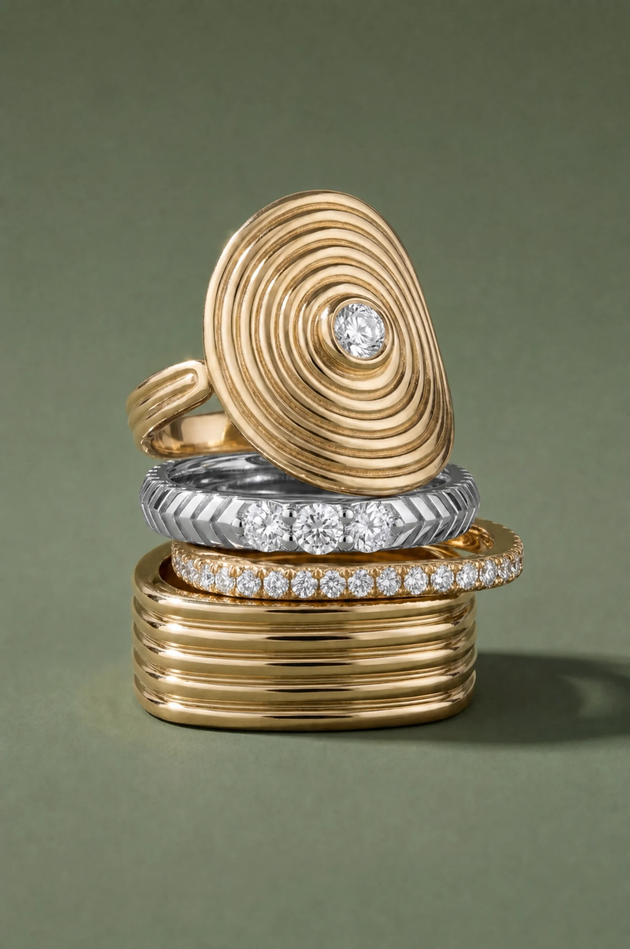
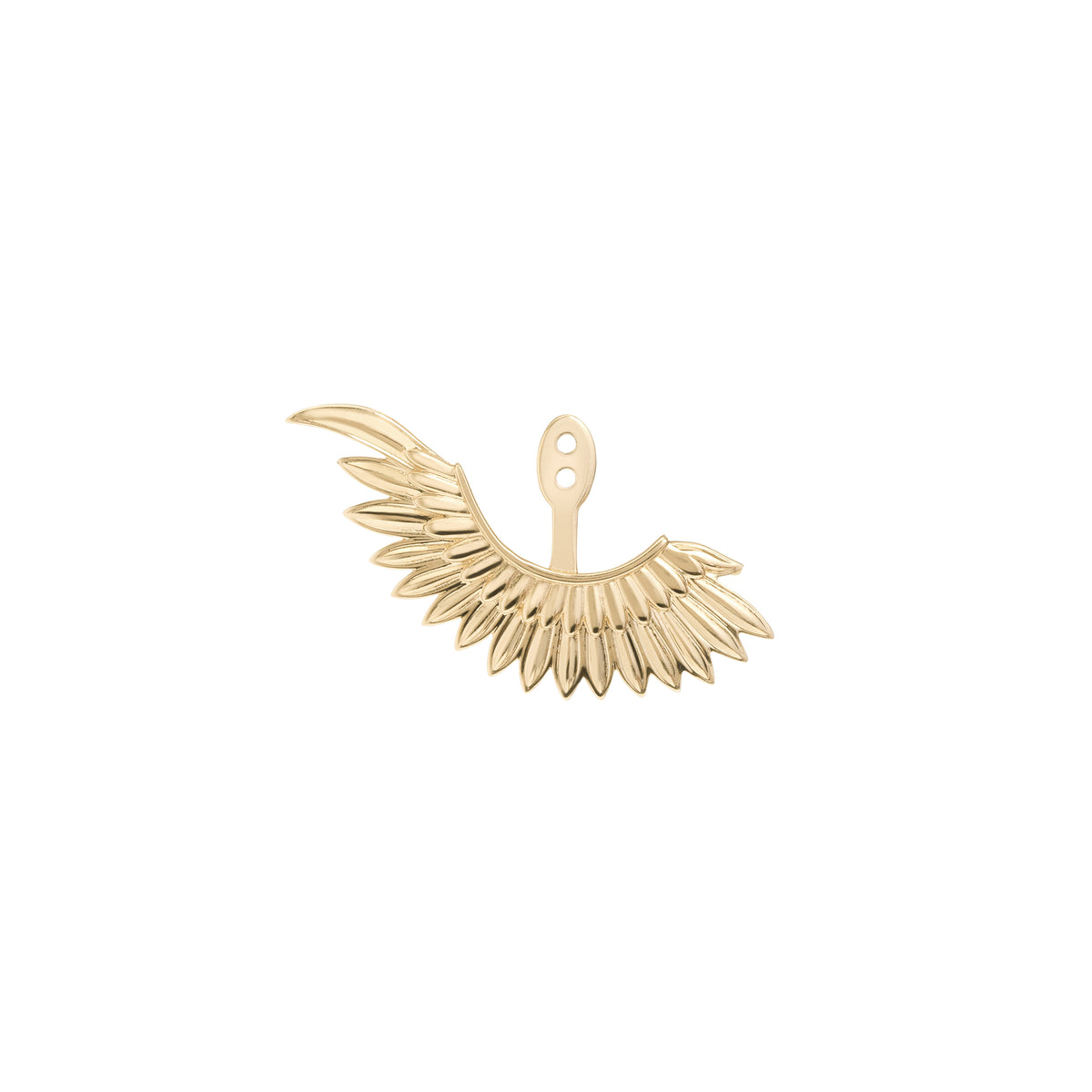
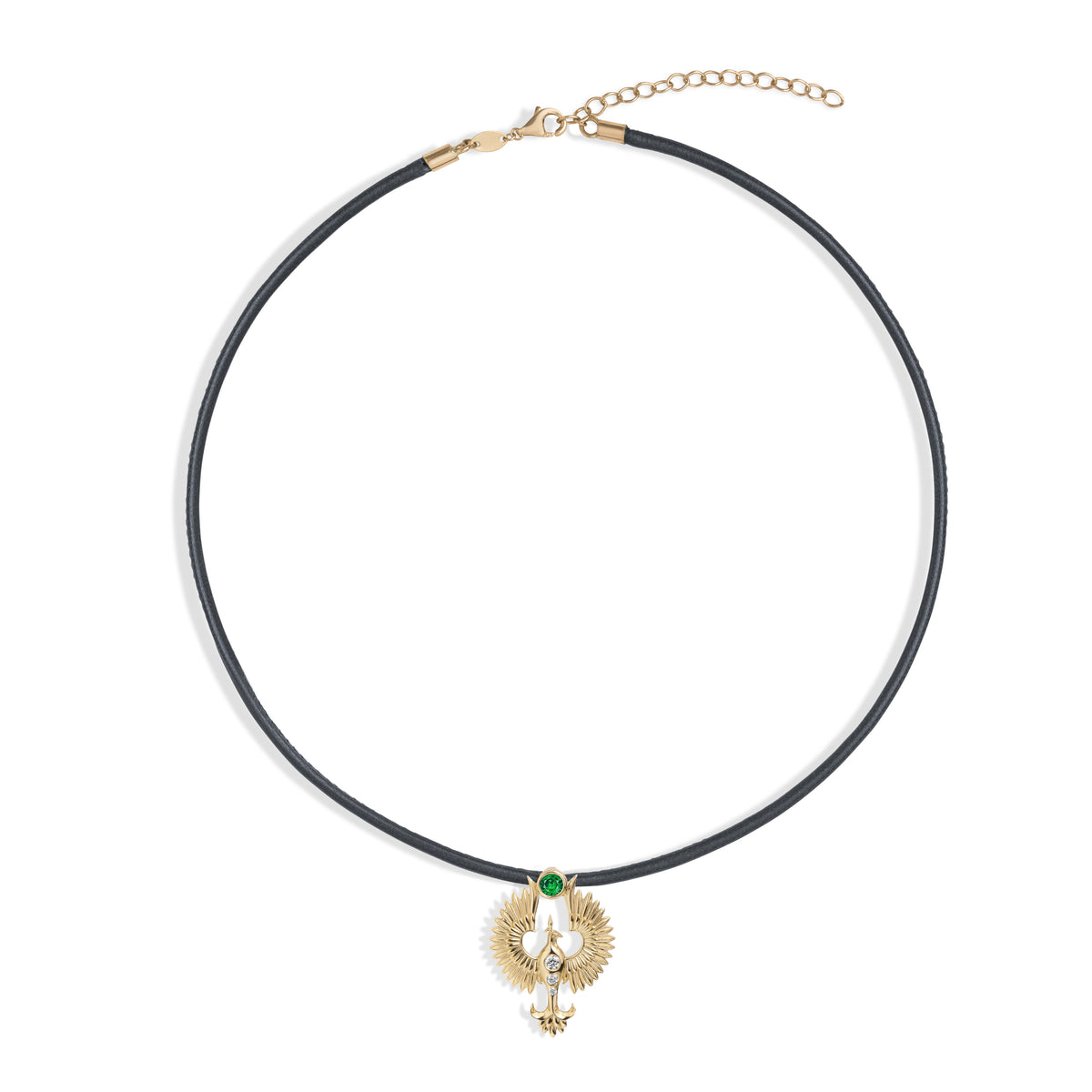
Browse the Anka Rising Collection.
ANKA RISING
Diamond
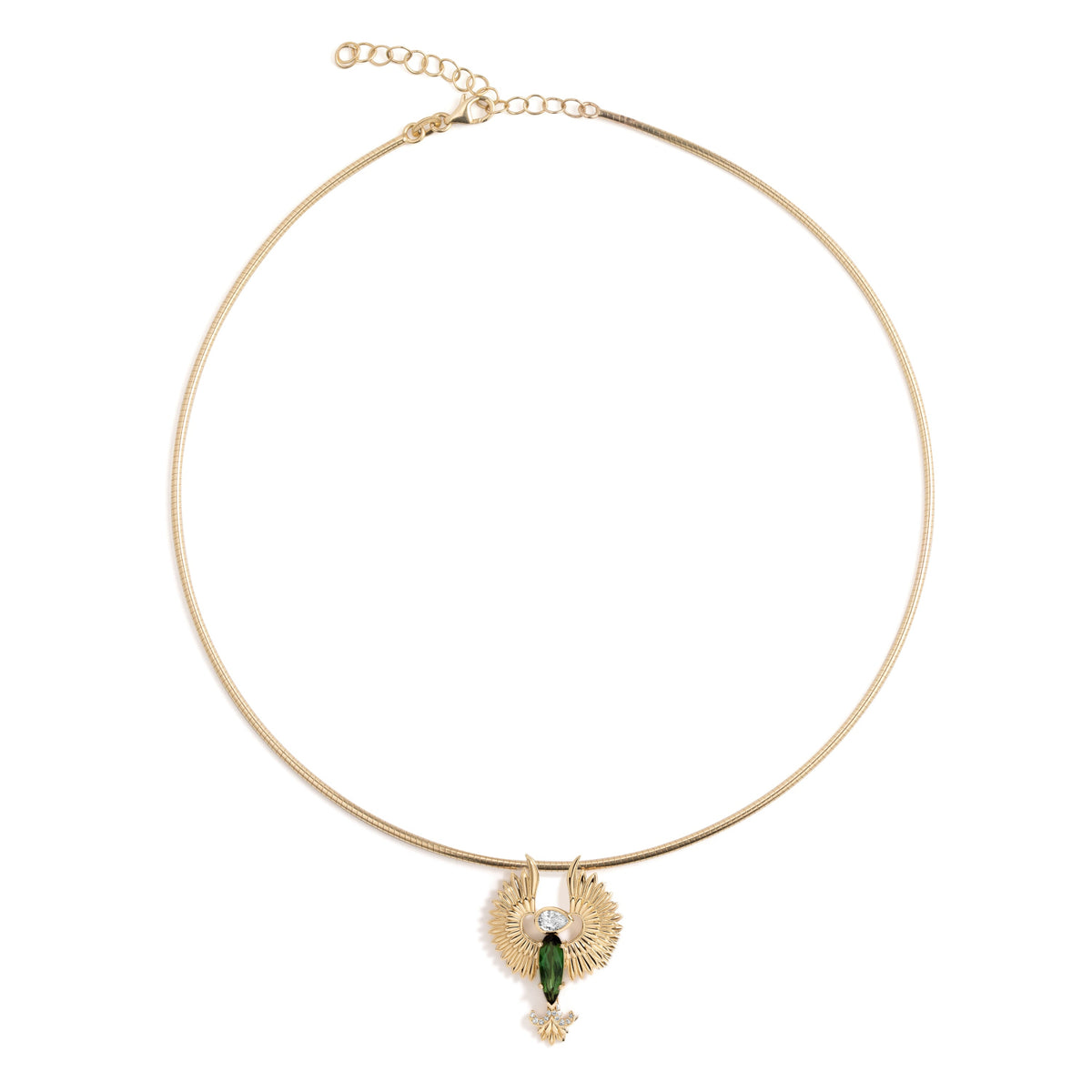
One-of-a-Kind
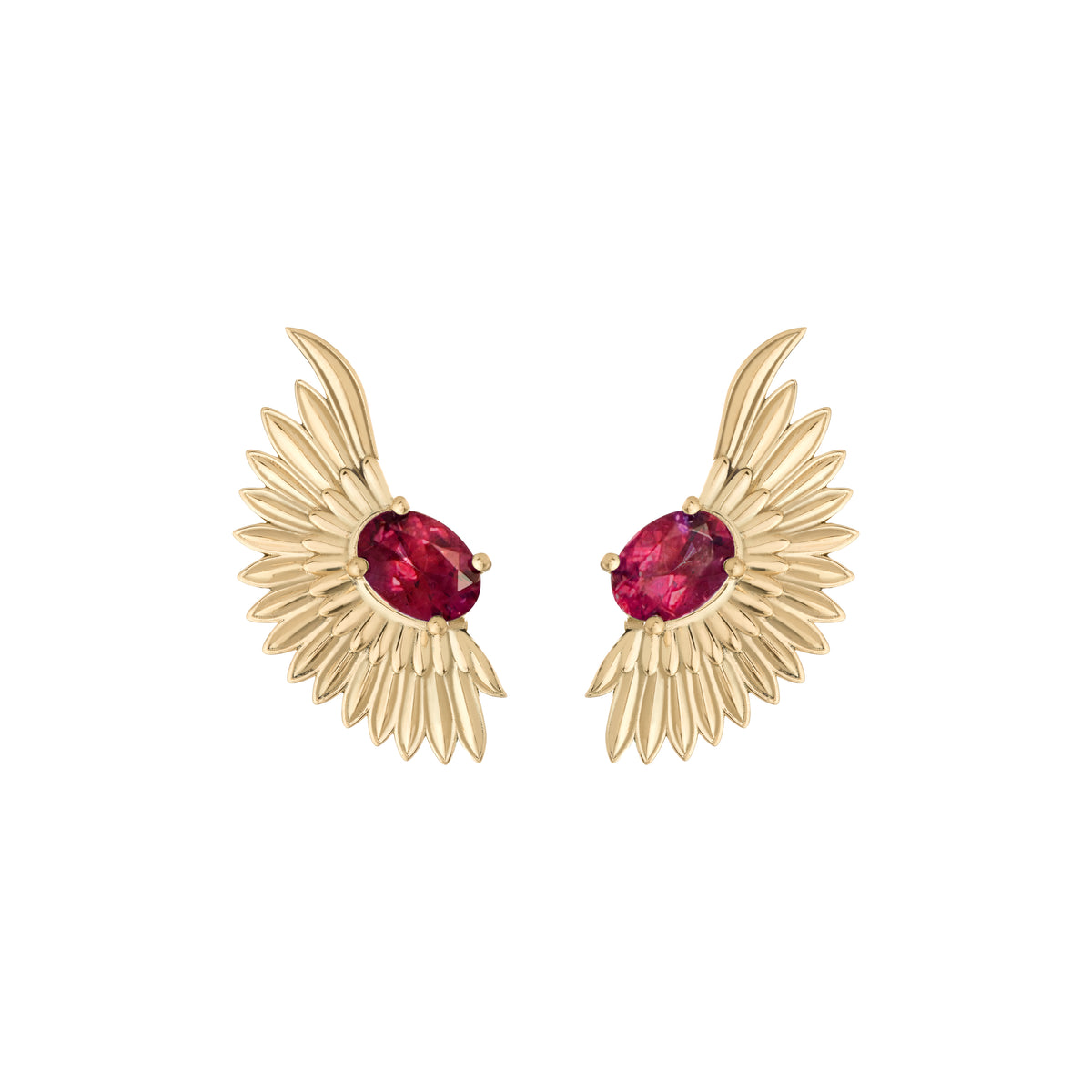
Pink Tourmaline