

Simurgh Meaning: Anka Rising Collection
There are stories that endure for thousands of years not because they are entertaining, but because they strike something deeper. The Simurgh is one of those stories.
What You're Searching For Is Within You
The revelation at the heart of the allegory
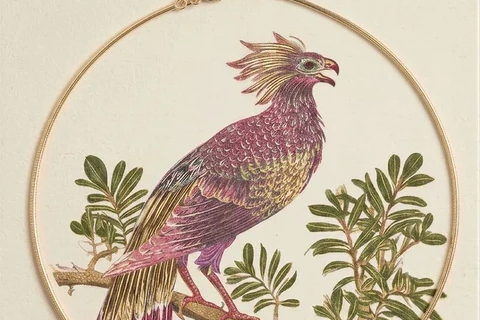
In 12th-century Persia, the Sufi poet Farid ud-Din Attar wrote The Conference of the Birds — an epic poem in which the world's birds gather and decide to set out in search of their One True King, the Simurgh. The journey is long and punishing. They cross seven valleys. Many fall away. Only thirty birds survive to reach the Mountain of Qaf, where the Simurgh is said to dwell.
When they arrive, they look up and see themselves.
"I am a mirror set before your eyes, and all who come before my splendor see themselves, their own unique reality." — Attar, The Conference of the Birds

Before the journey began, they gathered at the water's edge. Thousands of birds, restless and searching, not yet knowing that what they were looking for had always been within them.
There is a linguistic riddle woven into the heart of the myth. In Persian, si means "thirty," and morgh means "birds." The si morgh — the thirty birds — spend the entire poem searching for the Simurgh, never realizing that the name of what they seek is also a description of themselves. The answer was always already there, embedded in the question.
This is a story about the stripping away of everything that prevented the birds from seeing what was always true. Each valley they crossed demanded they release something: desire, fear, the ego's grip. By the time they arrived, there was nothing left to separate them from what they sought.
The Oneness of Being
The Sufi philosophy behind the symbol
To understand the Simurgh, you have to understand the philosophical world it emerged from. At the heart of Sufism, Islamic mysticism, is a concept called Wahdat al Wujud — the Oneness of Being. It is the recognition that separation is an illusion, that unity underlies all diversity, and that love is not simply an emotion but the very origin and destination of all things in existence.
"Out beyond ideas of wrongdoing and rightdoing, there is a field. I'll meet you there. When the soul lies down in that grass, the world is too full to talk about." — Rumi
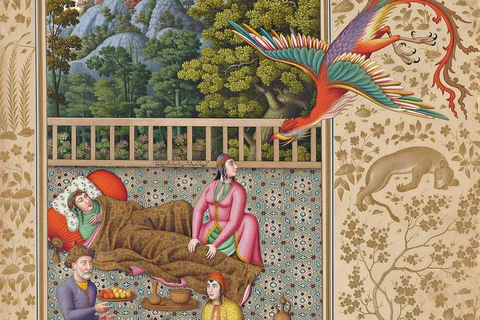
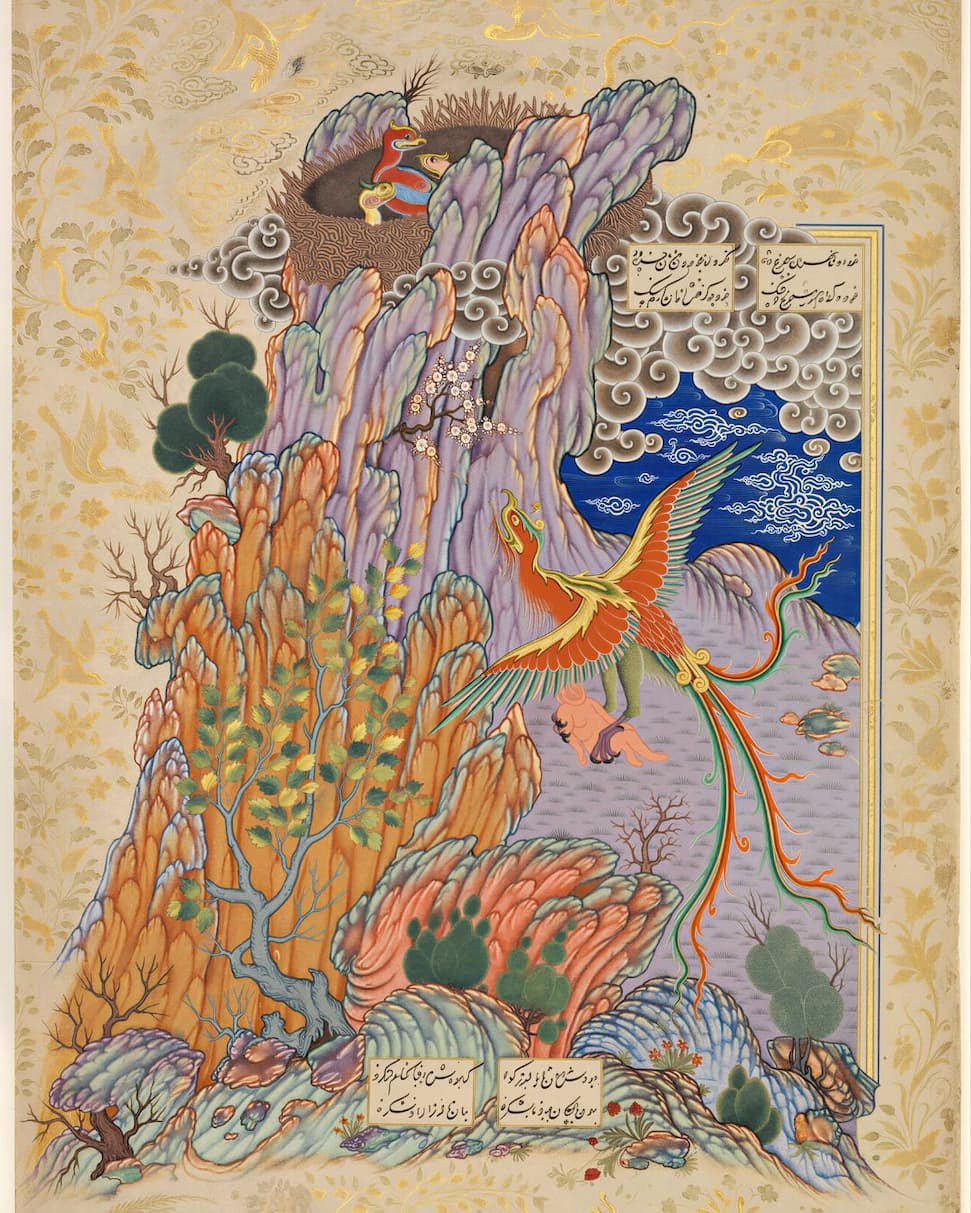
![[Image: "Zal Rescued by the Simurgh," Persian miniature, late 16th century]](https://cdn.shopify.com/s/files/1/2111/7585/files/Image-_Zal_Rescued_by_the_Simurgh_Persian_miniature_late_16th_century_600x600.jpg?v=1781698573)
This idea, developed by mystics and poets across centuries, holds that what appears to be a world of separate things, separate people, separate selves, is in fact the continuous manifestation of a single source of life and being. Everything that exists is a reflection of that one light, expressed through infinite forms.
The Simurgh, as a creature that is simultaneously one and many, visible and beyond reach, became the perfect image for this philosophy. It does not stand apart from the birds who seek it. It is all of them, seen whole.
The Journey as Transformation
The Seven Valleys
The journey in The Conference of the Birds is not incidental to the story. It is the story. Attar is precise about this: the birds must pass through seven valleys, in order, without skipping a single one. There are no shortcuts on the Sufi path.
The birds' passage through valleys and mountains symbolizes the different stages of the self on the Sufi path: self-knowledge, self-control, inner wisdom, selfless love, finally arriving at Divine Intimacy, where awareness of separation dissolves into the essential Oneness of Being.
Becoming is not a moment or a destination. It's a road, with valleys, with loss, with the slow shedding of everything that isn't you.
"Do you know what you are? You are a manuscript of a divine letter. You are a mirror reflecting a noble face. This universe is not outside of you. Look inside yourself; everything that you want, you are already that." — Rumi
Attar names the seven valleys: Quest, Love, Knowledge, Detachment, Unity, Bewilderment, and finally Annihilation — the dissolution of the ego into something larger than itself. Each stage asks something of the traveller that cannot be bypassed or rushed.
Quest demands the courage to begin. Love asks you to want something beyond yourself. Knowledge strips away false certainty. Detachment requires you to loosen your grip on the outcome. Unity begins to dissolve the sense of separateness. Bewilderment undoes everything you thought you understood. And Annihilation, the most misunderstood of all, is not an ending but a release — the self becoming spacious enough to hold the whole.
The hoopoe bird, the guide of the journey — symbolizing a Sufi teacher — warns the others at the start: many will not make it, and that too is part of the path. What arrives at the end is not the bird that set out. It is something refined by the crossing.
Why the Simurgh, Why Now
We are drawn to symbols that hold more than one idea at once. The Simurgh is that kind of symbol. It speaks to the search that most of us are quietly conducting: for wholeness, for meaning, for the sense that what we are is enough, and always was.
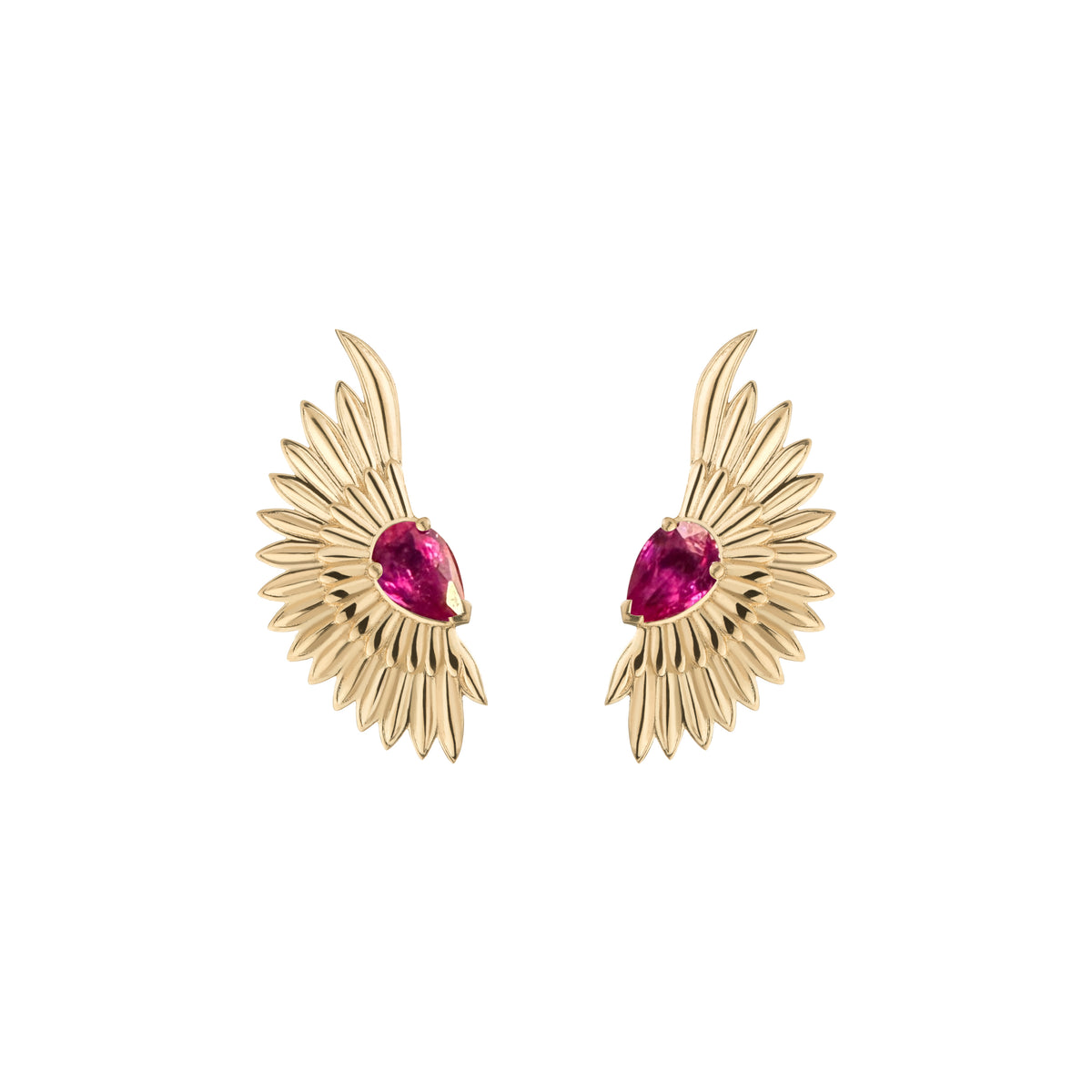
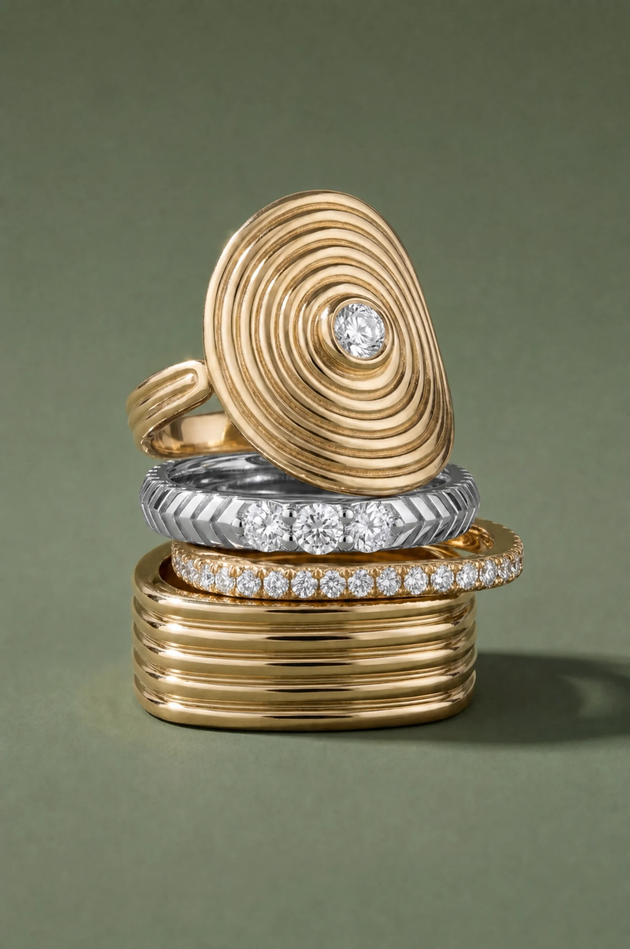
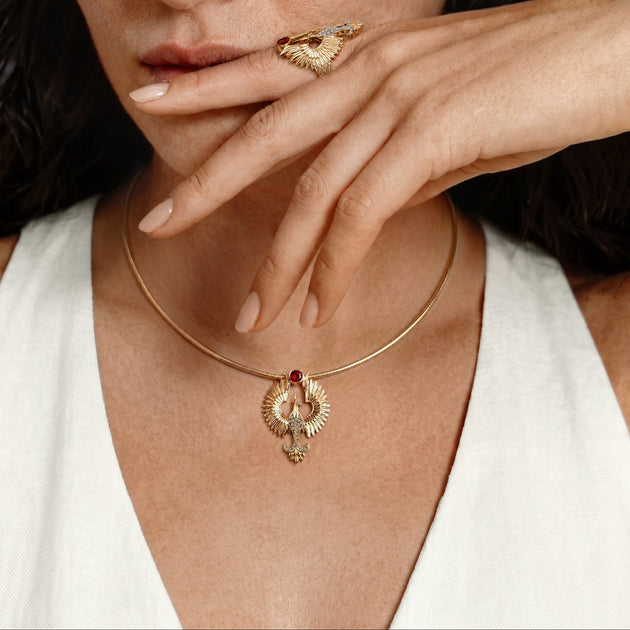
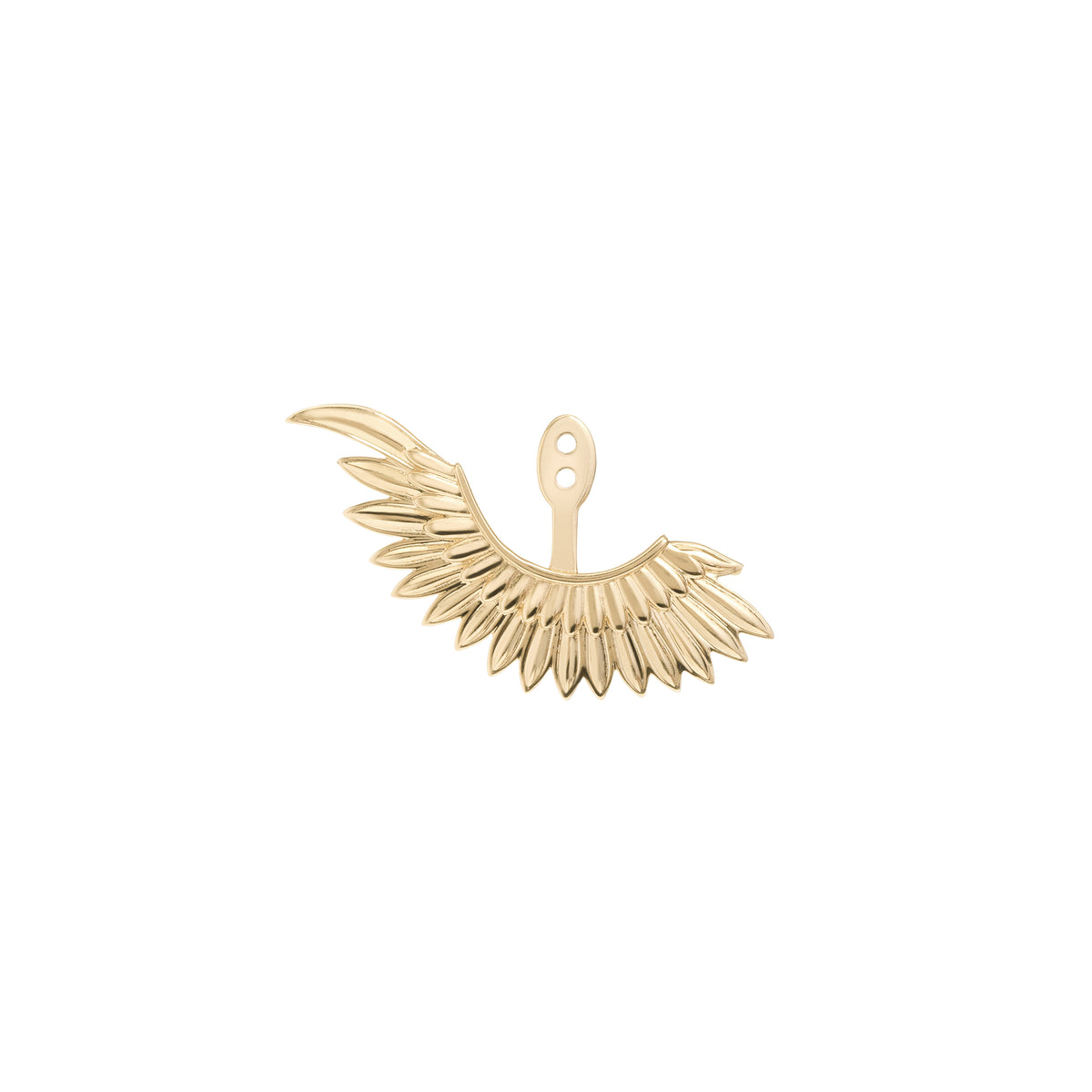
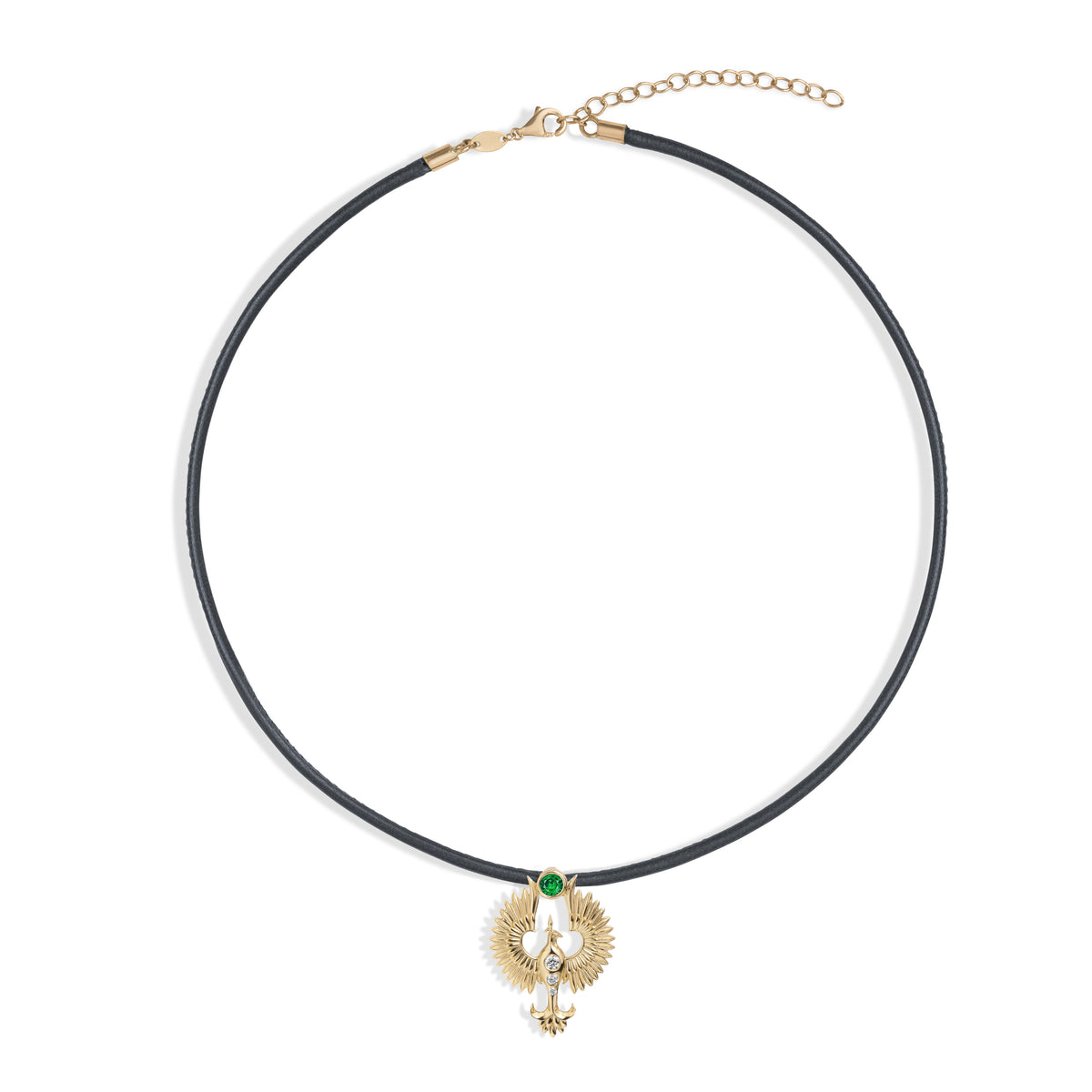
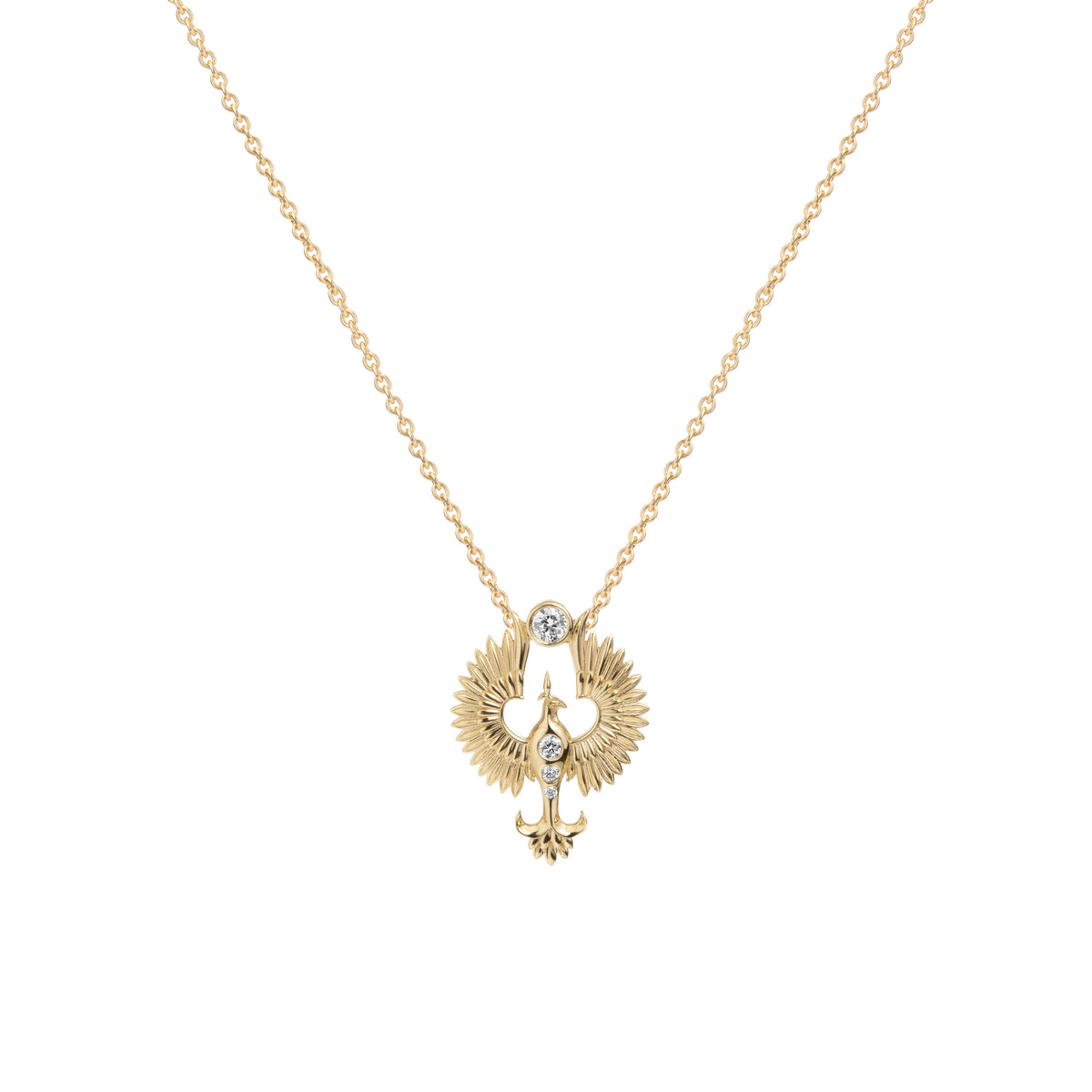
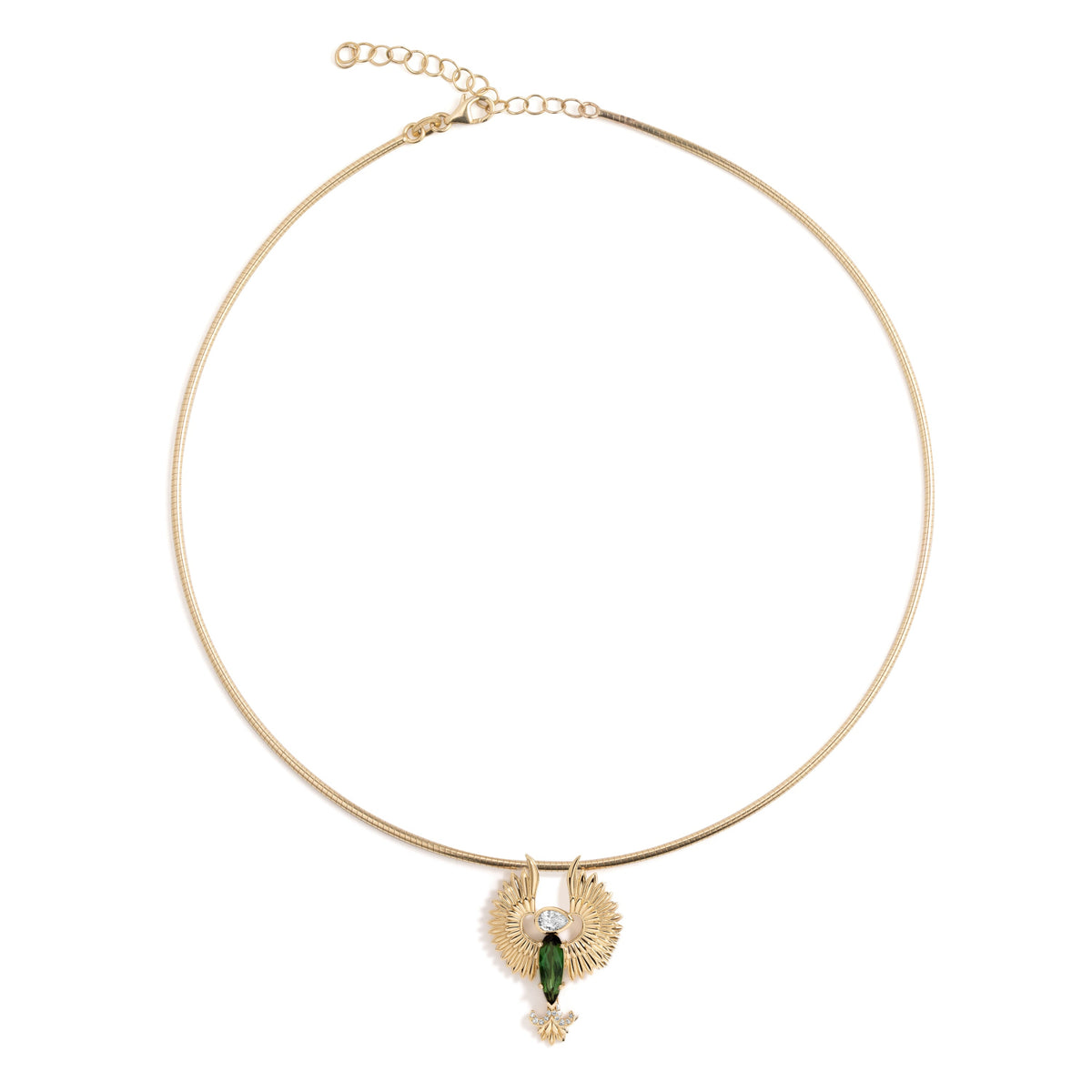
Anka Rising is not simply inspired by the Simurgh but is shaped by what the Simurgh asks of us. Each piece is made to be worn at the threshold of a new chapter, a hard-won transformation, a quiet moment of recognizing yourself more clearly.
Adornment, at its most meaningful, is more than personal expression. Worn close to the body, it is a reminder of a new chapter, a hard-won transformation, or a moment of becoming.
ANKA RISING
Diamond
One-of-a-Kind
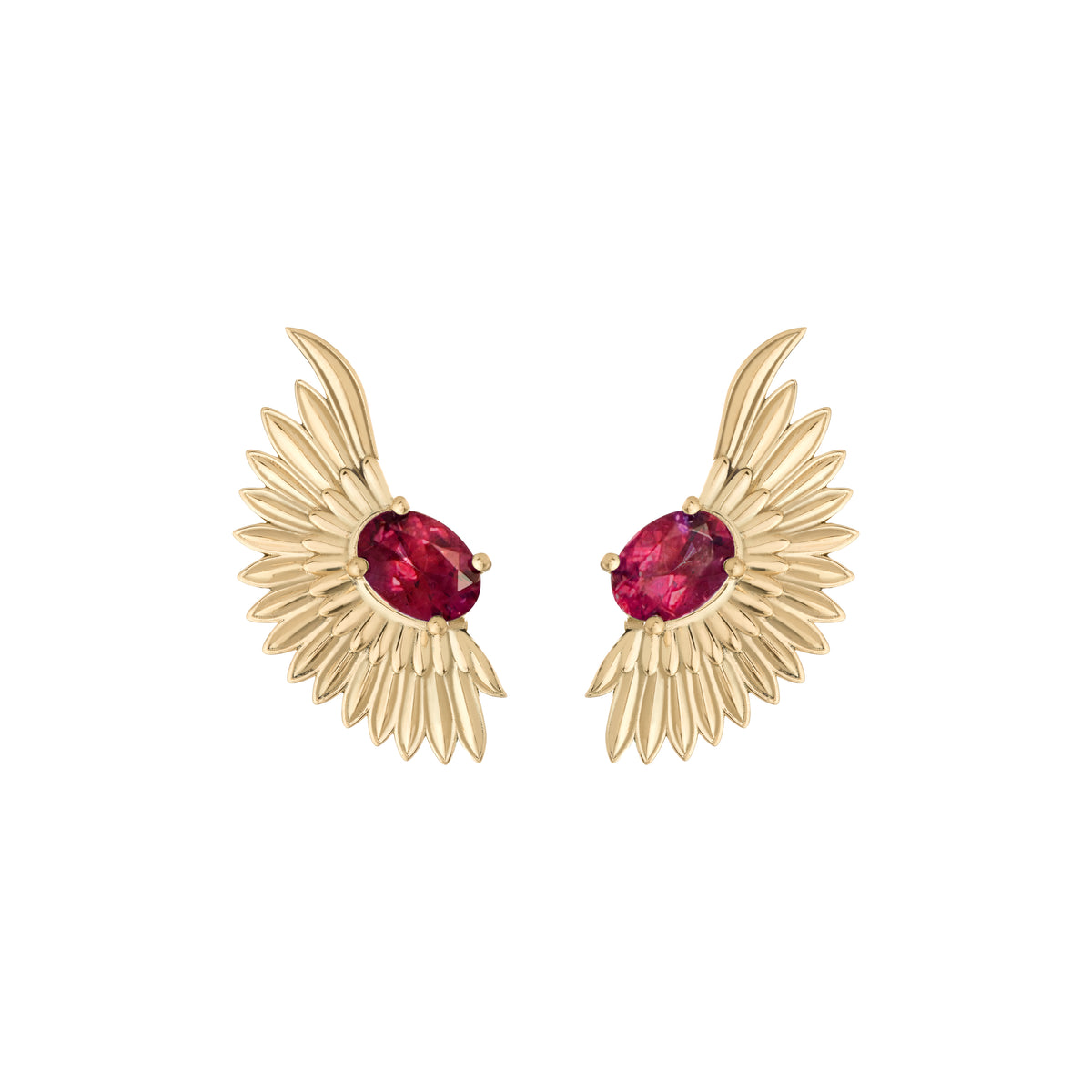
Pink Tourmaline